01
Reduce wasted spending
Spot scent sensitivity or texture hesitation before buying bulk so treats and food actually get enjoyed.

Happier Companion
Pet wellness & smart care
Caring choices, happier meals.
Explore Better Pet ChoicesObservation-first guidance for cats & dogs
Meal time and treat presentation are your pet’s honest review. By watching how cats and dogs react to new foods — and to scents like soap, perfume, or cleaning supplies — you’ll spot what they truly love, prevent costly rejects, and protect emotional wellbeing.
Quick scent checks
Notice grooming, sniffing, or turning away before serving.
Cat-first cues
Tiny changes in whiskers, tail, and pace reveal true preferences.
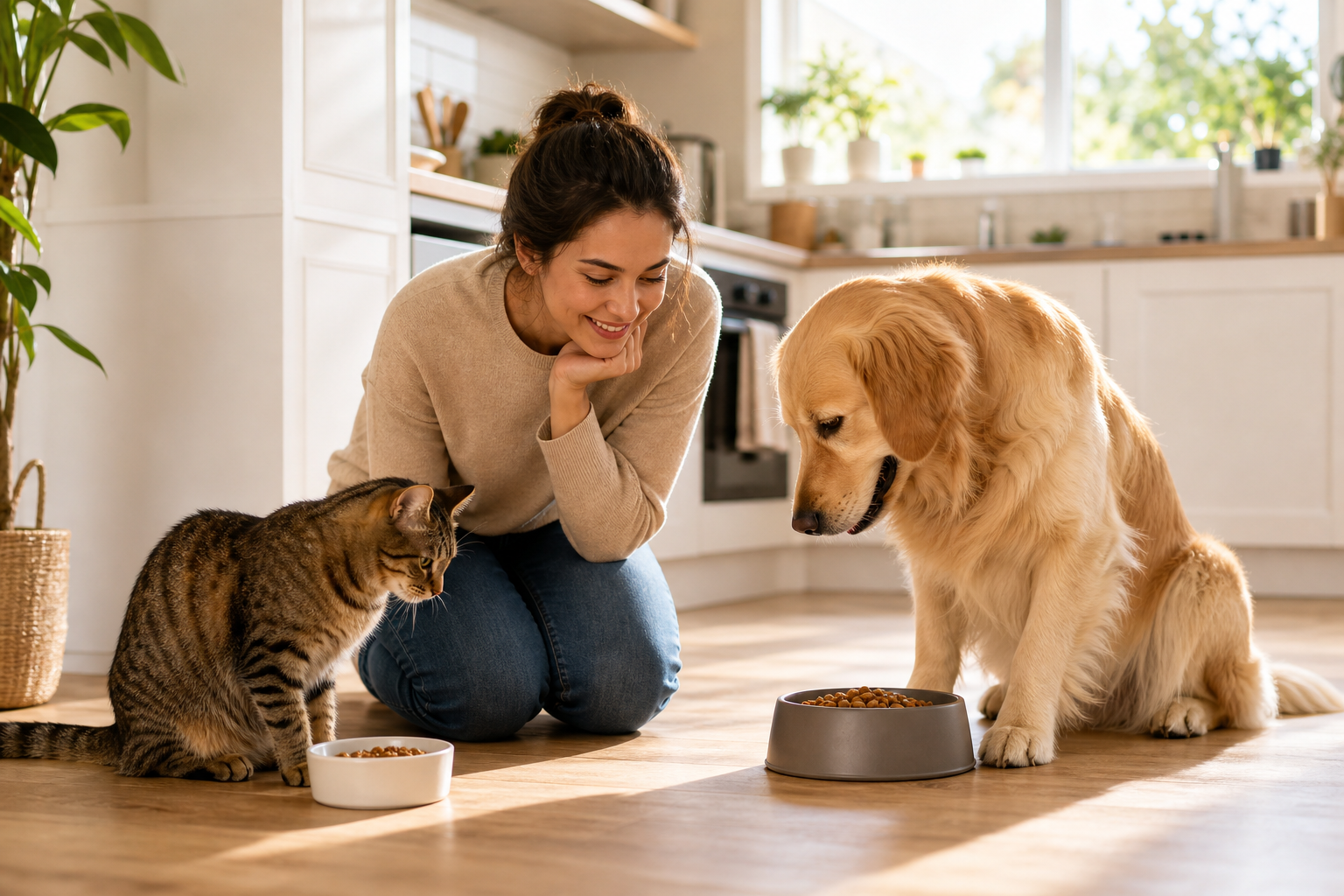
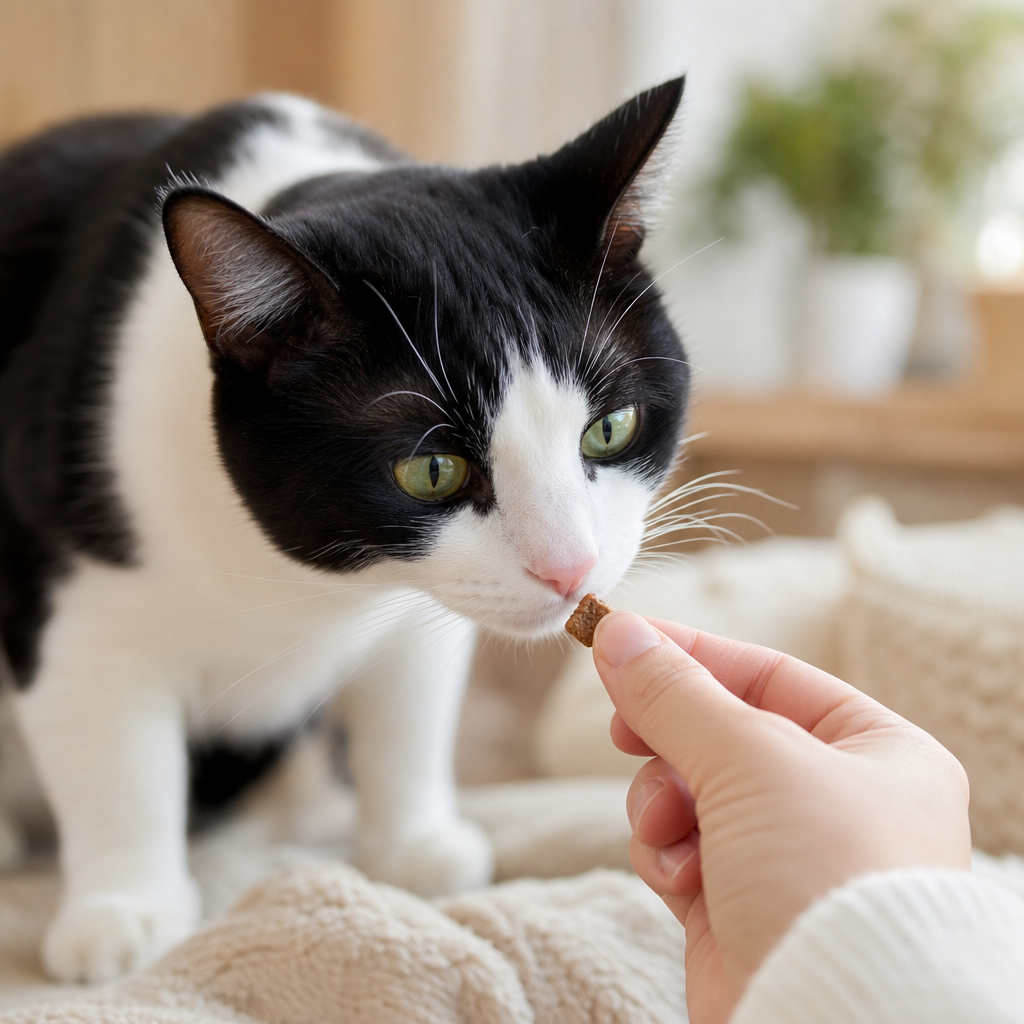
Tiny reactions = big savings
Watch before you buy a full bag.
Observation Guide
Your companion is always giving feedback—through posture, pacing, and sniffing. A few calm moments of observation can prevent costly mismatches, avoid wasted treats, and protect emotional comfort at mealtime.
Observational Wellness Benefits
Small, consistent observations around meals and treats reveal preferences, sensitivities, and mood cues that help you choose better products and care routines.
Spot scent sensitivity or texture hesitation before buying bulk so treats and food actually get enjoyed.
Recognize subtle body language and slow down when your pet feels overwhelmed at the bowl.
Compare reactions to aroma, crunch, and portion size so purchases feel confident and evidence-backed.
Your attention during mealtime builds trust and helps companions feel understood and safe.
Clear signals at feeding time teach first-time pet parents what “yes” and “no” look like.
Recommended companions
These picks are gentle, scent-aware options that help you observe reactions, avoid waste, and keep your companion comfortable during mealtime and treats.
Observation tip
Watch for sniffing, pawing, or turning away. Those cues often mean scent sensitivity, not stubbornness.
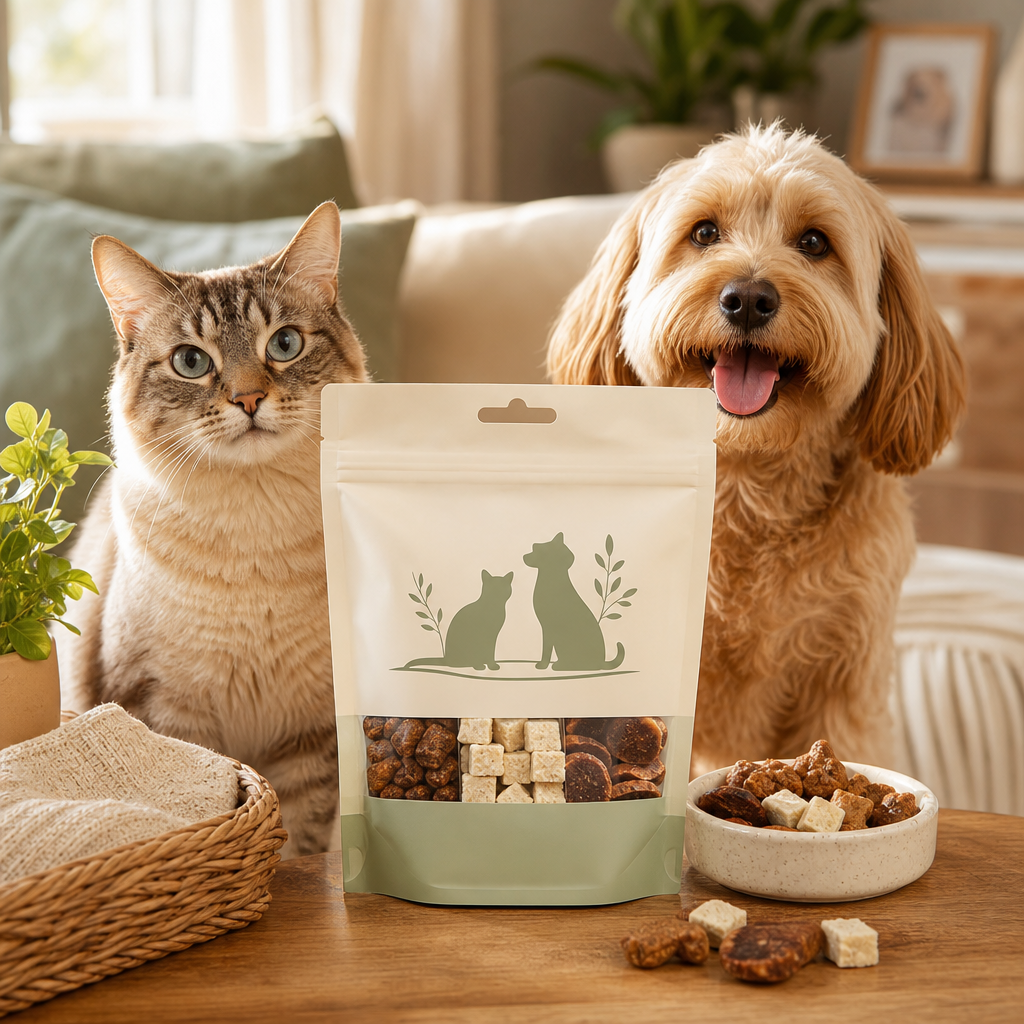
A starter selection for testing pet reactions without overspending on one expensive option.
19.00 USD
Learn more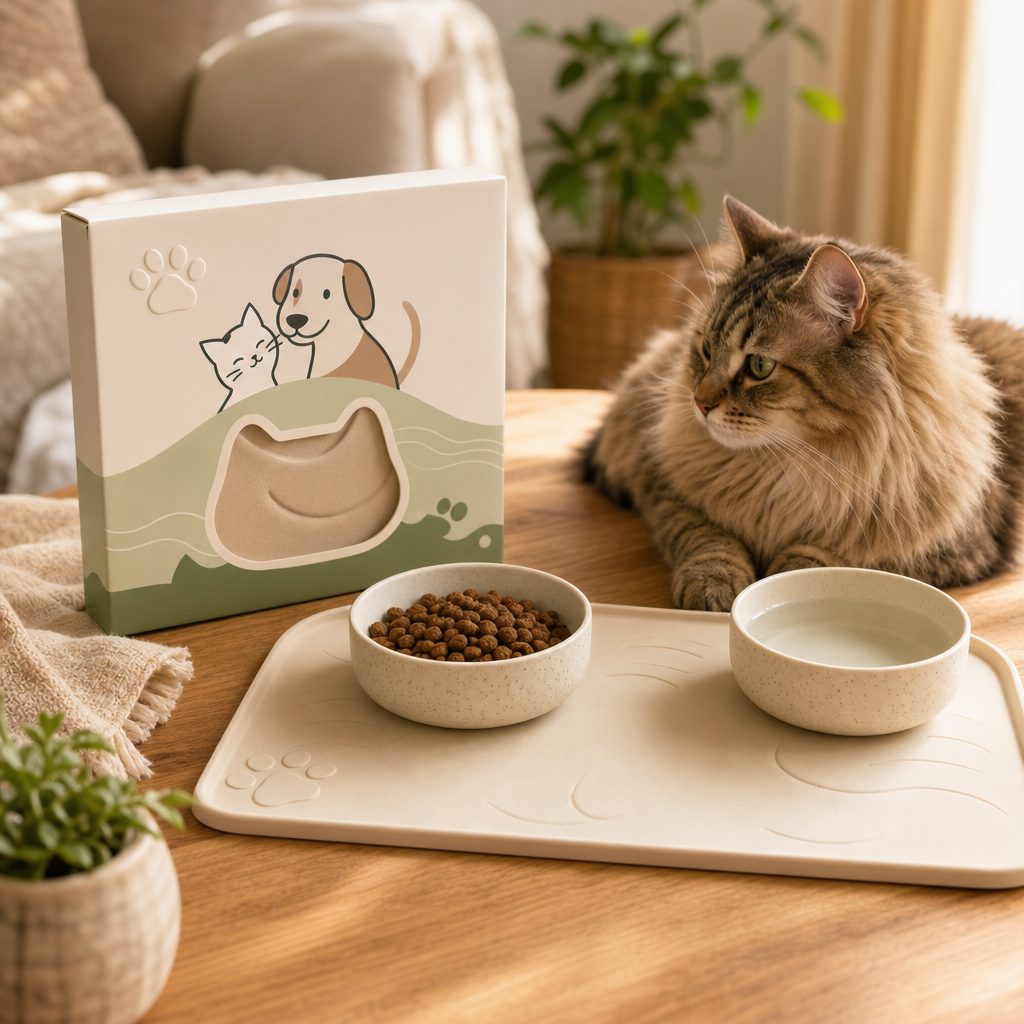
A simple mealtime accessory designed to support a calmer feeding routine for companions.
24.00 USD
Learn more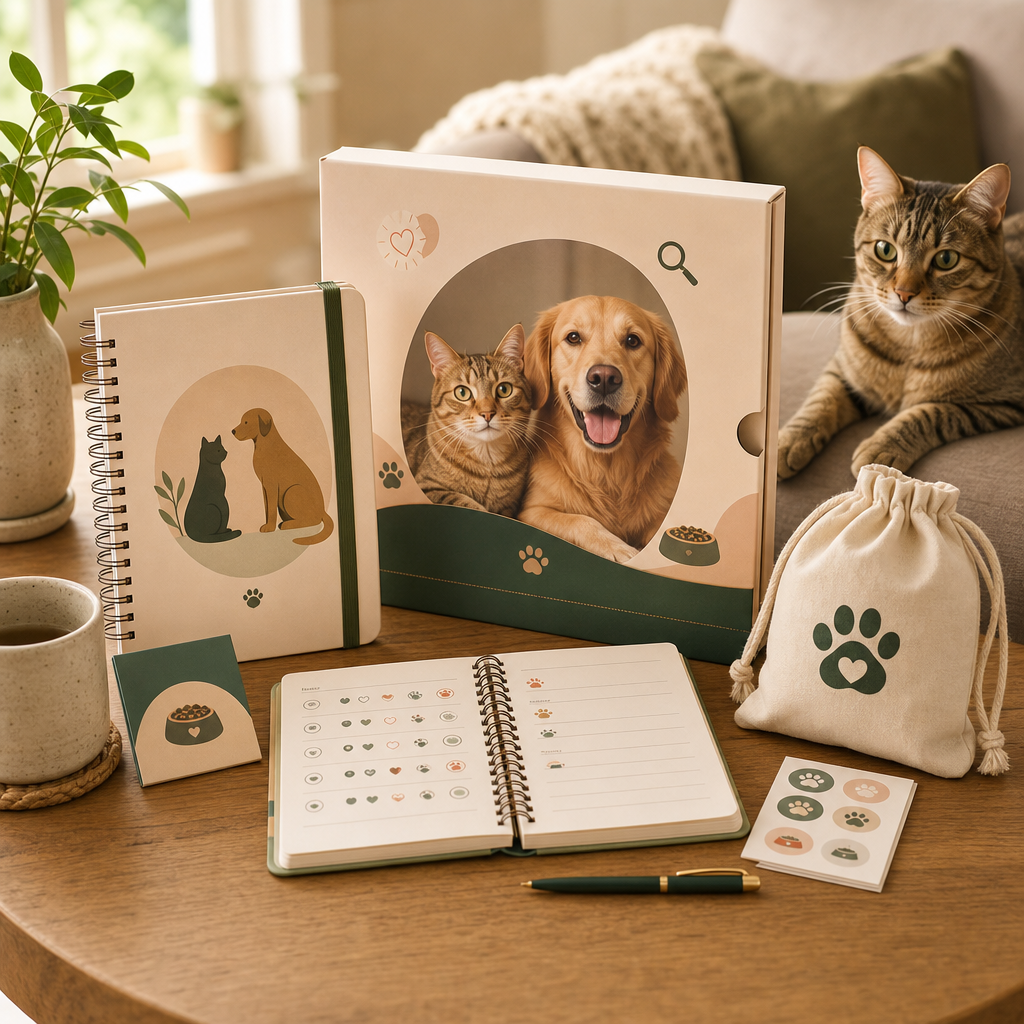
A practical way to track reactions to foods, treats, and environmental scents over time.
12.00 USD
Learn moreFAQ: Meal-Time Insights
Observation turns guesswork into confidence. These quick answers help you spot signals, reduce waste, and keep your companion feeling safe during meals and treat time.
Quick tip
Pause before replacing a rejected treat. Note body language, sniffing patterns, and the room’s scent — small clues often explain big reactions.
Pets notice tiny changes. A different batch, storage container, or even your lotion can shift the scent. Offer a small piece later and watch the sniff-first reaction before labeling it a “no.”
Cats and dogs lead with their noses. Strong soap, perfume, or cleaning supplies can overpower the treat’s aroma. Try feeding in a neutral-smelling space and avoid scented hand products before offering food.
Preference looks like a calm sniff-and-walk-away. Stress shows tension: tucked tail, wide eyes, frozen posture, or quick retreat. If stress signs show up, pause the offer and reset later in a quieter moment.
Keep sessions short and gentle. Offer a small piece, stay still, and let your pet approach. If they back away, give space. Consistent, low-pressure offers help them feel secure.
When you catch scent sensitivity or stress early, you avoid buying “more of the wrong thing.” A few careful observations can prevent waste and help you invest in products your companion truly enjoys.